



Temperature monitoring at key stages is essential in cement plants to maintain optimum performance and minimise downtime. In the cement industry, the use of thermography is important for several reasons:
Multispectral Vision Applications by Industry | Cement Plants
Thermography Applied to Cement Production
In short, the use of thermography in the cement industry is important for early problem detection, quality control, energy saving and predictive maintenance. This technique provides a unique view of the thermal behaviour of equipment and processes, helping to optimise efficiency, improve quality and reduce operating costs.
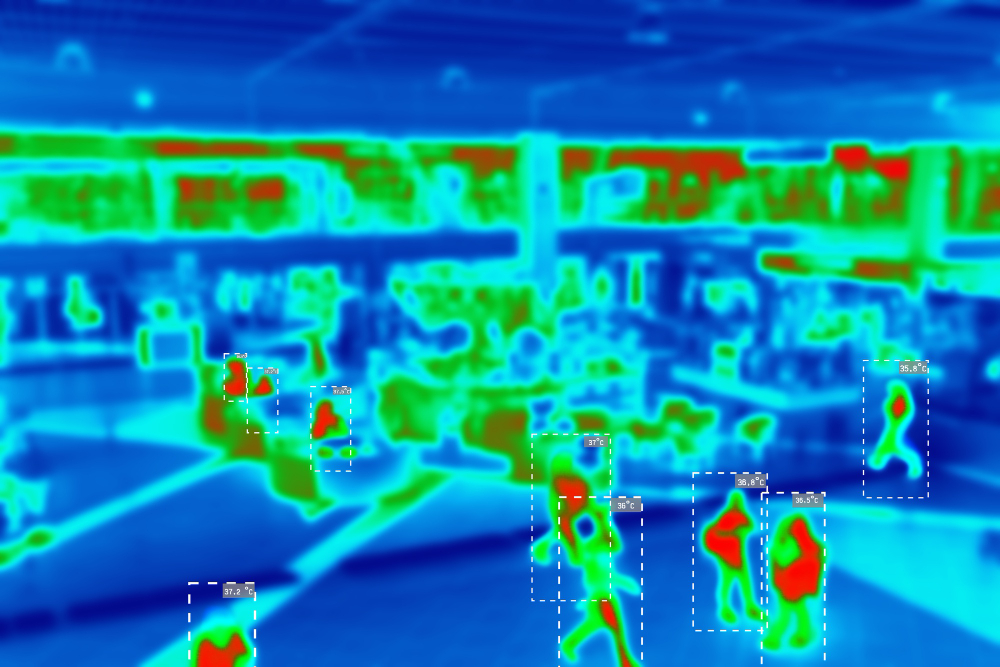
ANOMALY DETECTION
Thermography can detect high-temperature areas in equipment such as rotary kilns, mills or coolers. These hot spots can indicate problems such as wear, misalignment or failures in equipment components. Identifying these areas of abnormal heating makes it possible to take preventive action and avoid major breakdowns.

QUALITY CONTROL
Thermography is used to assess the quality of the cement manufacturing process. It can help identify areas with uneven temperature distribution during the cement curing stage, which may indicate problems with mixing, compaction or curing. This allows manufacturers to make adjustments and improve final quality.
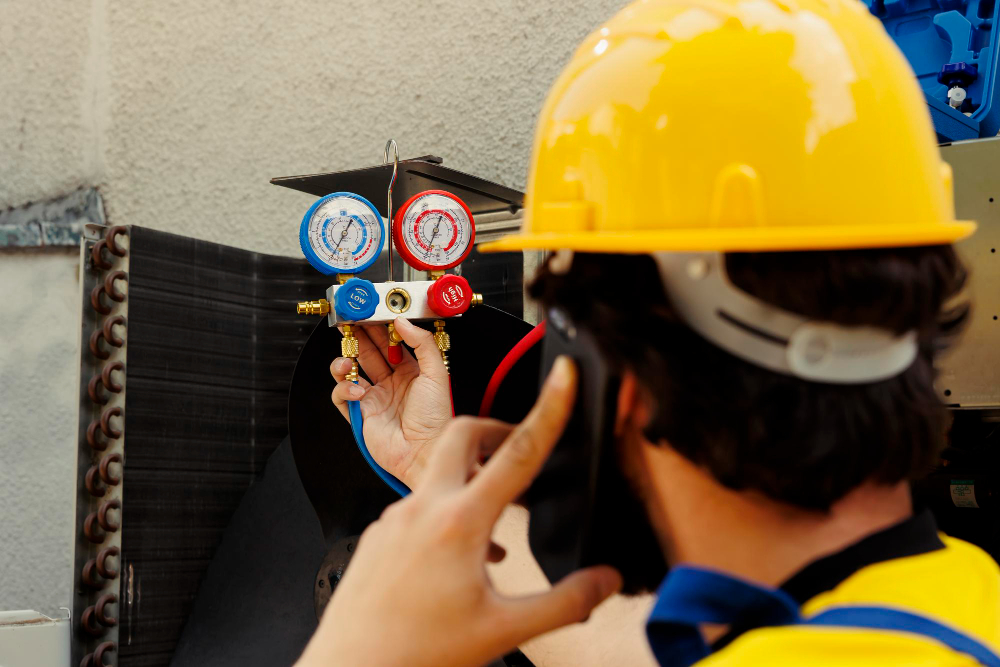
ENERGY SAVING
Thermography is used to inspect thermal insulation systems such as pipes, ducts and heating equipment. Thermal images reveal heat leaks, energy loss and insulation deficiencies. By identifying and correcting these problem areas, significant energy savings and cost reductions can be achieved.

PREDICTIVE MAINTENANCE
Thermography is a valuable tool for predictive maintenance in the cement industry. It makes it possible to identify incipient problems before they become serious failures. By carrying out regular inspections with thermographic cameras, abnormal temperature changes in equipment can be detected, allowing preventive maintenance to be scheduled.